
by Nikki ~ Product Education Director
People today want to look vibrant and healthy at any age and hair loss just doesn’t work in that equation. Age-related hair loss, or any hair loss, can be very scary leaving those suffering from it wondering what is causing it and mostly how to make it stop. As stylists we need to be informed and help our guests but without taking on the role as doctors. Let’s break it down in this 3 Part Series Philip Pelusi Chic Geek…
Part 1 ~ The Backstory on Age-Related Hair Loss
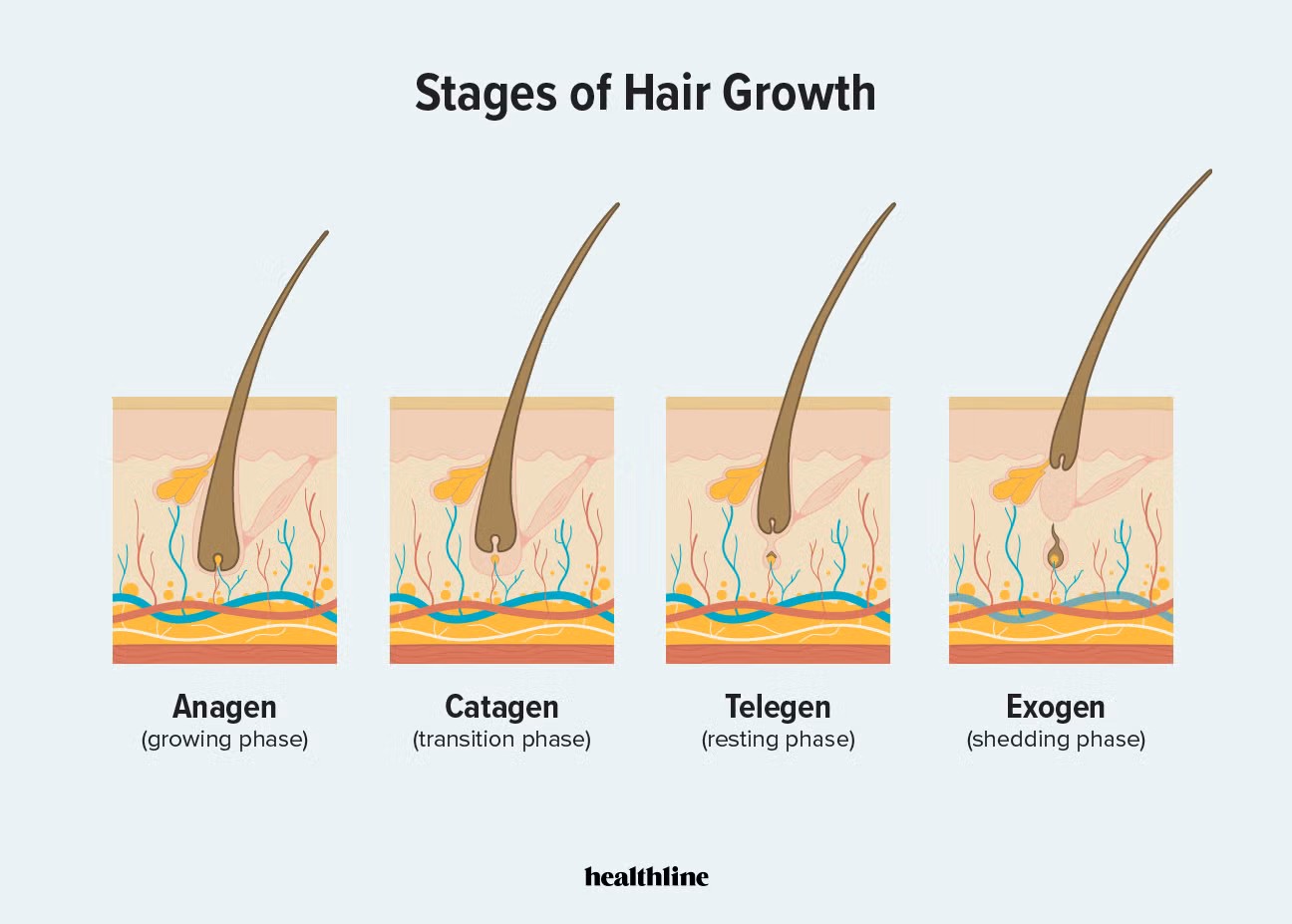
The follicle effect: Hair loss often creeps up on someone slowly over time until it becomes starkly noticeable. There are 4 stages of hair growth within the hair follicle; Anagen (growing) Stage in which the hair is actively growing out of the follicle, Catagen (intermediate) Stage where the hair is still growing but not as actively, Telegen (resting) Stage where the hair has stopped growing and is residing in the follicle until it naturally sheds or is easily pulled away during any type of hair manipulation such as brushing, and Exogen (shedding) Stage where the hair strand actually sheds from the scalp on it’s own.
This is a very normal process where hair grows, dies off and is then replaced by new hair growth. However, when someone has an age-related hair loss issue this process can be sped up and often no new growth takes the old hair’s place. The follicle can also start to shrink with age, making hair grow out thinner and thinner until the follicle no longer produces hair. And if the follicle is left dormant too long, it becomes harder to sometimes impossible to stimulate new growth therefore making it critical to treat hair loss in its early stages.
Causing factors: There are many factors that can be the cause of age-related hair loss and these do require the input, possible testing and prescriptions from a doctor. Heredity and general health both play a role in contributing to hair loss, both of which should be discussed with someone’s general practitioner. Nothing can stop genetic factors, but someone might have a treatable hair loss related condition that could be contributing to this.
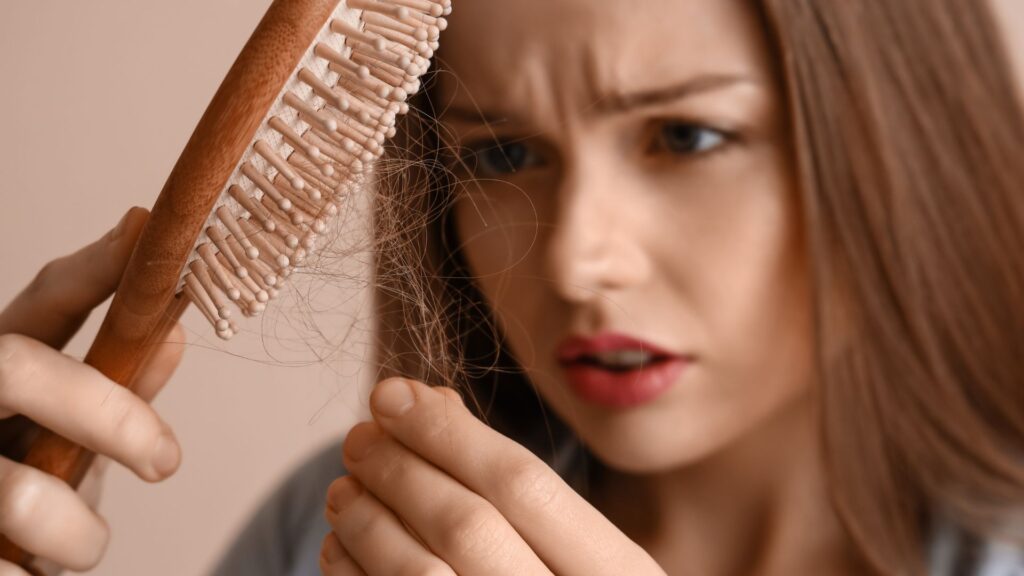
Changes in hormone levels, such as caused by menopause, also greatly affect the loss of hair. Testing can sometimes show a hormonal imbalance, but this is something that should be discussed with a gynecologist and dermotologist. This possibly can be resolved via hormone replacement but again this should only be recommended and approved by a doctor.
Stay tuned for Part 2 ~ More Contributing Factors and Deep Intel on Age-Related Hair Loss and Part 3 ~ Our Role as Designers in Helping Guests with Age-Related Hair Loss
Also check out our Philip Pelusi Virtual Class on this topic called Ageless Hair
The Philip Pelusi Chic Geek is a treasure trove of in-depth Philip Pelusi ingredient knowledge. To see all Chic Geeks go to… Chic Geek